Apple Locks iPhones into iOS 26 - No Downgrade Possible
Apple has made a decisive shift with iOS 26: once an iPhone
is upgraded, there is no way to downgrade. By stopping the signing of iOS
18.6.2, Apple has permanently closed the technical path that previously allowed
users to revert to an earlier version. This is not a temporary limitation or
bug, but a deliberate policy change that forces users to carefully consider
upgrading, as the decision is now irreversible. Notably, this restriction
appears to apply only to iPhones, while iPads remain unaffected, signaling a
targeted strategy focused on Apple’s smartphone ecosystem.
At the core of this change is Apple’s software-signing
system. When Apple stops signing an iOS version, devices can no longer install
it—even if the installation files still exist. As a result, recovery mode,
factory resets, and other traditional downgrade methods now reinstall only iOS
26. Users report that devices running iOS 18 are being pushed directly to iOS
26.x, bypassing incremental security updates that once allowed people to stay
on older major versions. This represents a fundamental shift in Apple’s update
philosophy, turning major iOS upgrades into one-way transitions rather than
reversible experiments.
Apple’s motivation is largely rooted in security and
ecosystem control. Preventing downgrades reduces exposure to known
vulnerabilities and simplifies development, testing, and support by ensuring
most users run the same software version. However, this approach comes with
trade-offs: it limits user choice and removes a critical safety net for those
who encounter performance or compatibility issues after upgrading. While Apple
has long discouraged outdated software, the finality of this move marks a stronger
prioritization of security and uniformity over flexibility.
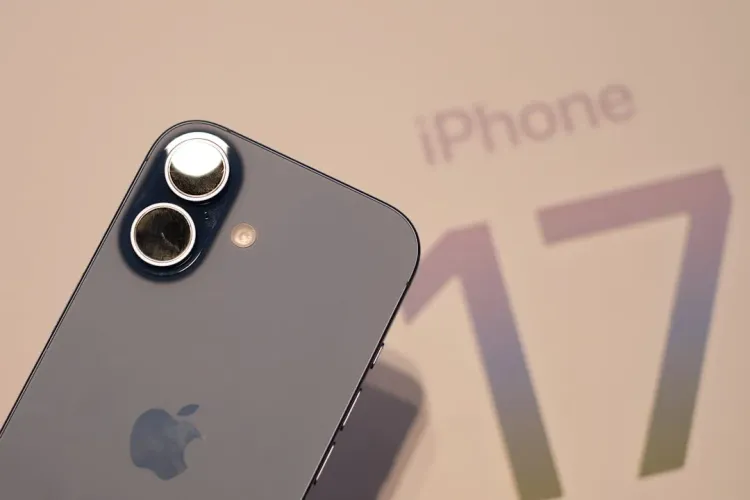
For users already on iOS 26, the focus now shifts to
adapting rather than reverting. Updates like iOS 26.1 show Apple is still
responding to feedback, adding refinements such as adjustable Liquid Glass
effects and improved usability. For those who haven’t upgraded yet, the
decision carries unprecedented weight—staying on iOS 18 means eventually losing
updates and app support, while upgrading commits users fully to Apple’s future
direction. The broader takeaway is clear: major iOS updates must now be treated
as permanent commitments, making preparation, backups, and careful
consideration more important than ever.
Stay Updated
To stay updated with the latest tech trends, news, and events, stay tuned with Dab Lew Tech Pakistan.
source